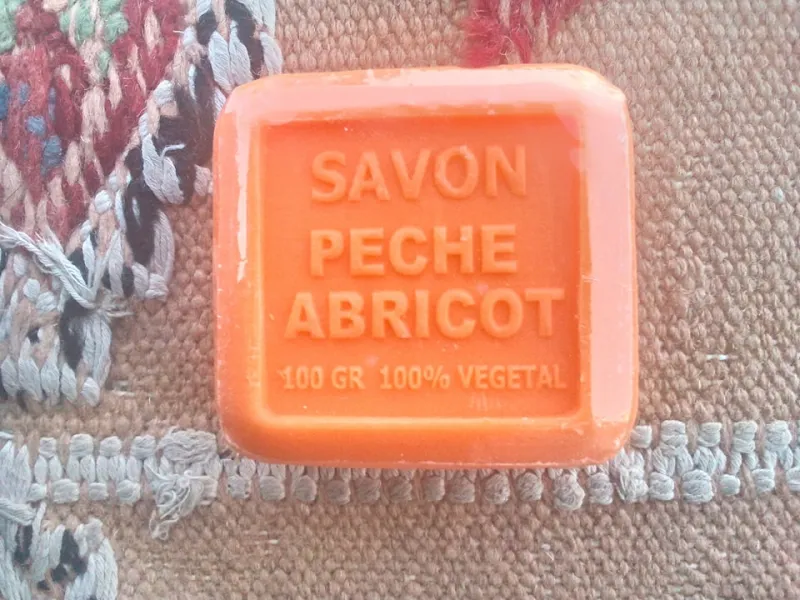
Handmade and Proud: How a New Generation Fell in Love with Small-Batch Soap

Photo by Photo by Brad on Unsplash on Unsplash
Walk through any farmers market on a Saturday morning in Austin, Portland, or Brooklyn, and you'll spot them immediately — little wooden crates lined with hand-cut bars of soap, each one slightly different from the last. A swirl of indigo here. A sprinkle of dried lavender there. A hand-lettered sign listing ingredients you can actually pronounce.
And the people stopping to smell them, pick them up, and ask questions? Mostly under 40.
This isn't a coincidence. Over the past decade, a genuine cultural shift has been unfolding in the American beauty and personal care market. Millennials and Gen Z consumers are increasingly opting out of mass-produced commercial soap in favor of handcrafted, small-batch alternatives — and the reasons behind that choice say a lot about what this generation actually values.
The Ingredient Transparency Problem
For a long time, most of us grabbed whatever bar soap was on sale at the grocery store without giving it a second thought. Then people started reading labels.
What they found wasn't exactly reassuring. Many commercial soaps contain synthetic detergents, artificial fragrances, and preservatives that can irritate sensitive skin or raise questions about long-term safety. The ingredient lists read like chemistry homework, and not in an interesting way.
Younger consumers, many of whom grew up with instant access to information, aren't willing to just trust a brand because it's been around for decades. They want to know what's in the product and why it's there. Handcrafted soap makers — including small operations like Alada Soap — tend to be refreshingly upfront about their formulations. When your ingredient list is something like olive oil, coconut oil, shea butter, and essential oils, there's not much to hide.
That transparency isn't just appreciated. For a lot of people, it's become a non-negotiable.
Sustainability Isn't a Trend — It's a Baseline
Gen Z, in particular, has grown up with climate change as a lived reality rather than a distant concern. For them, the environmental footprint of the products they buy matters in a very real way.
Commercial soap production at industrial scale comes with its own set of environmental costs — from the sourcing of cheap palm oil (often linked to deforestation) to the mountains of plastic packaging that end up in landfills. Small-batch soap makers typically operate with a much lighter footprint. They source ingredients more carefully, use minimal or plastic-free packaging, and produce only what's needed rather than flooding warehouses with excess inventory.
For a generation that's actively trying to reduce their environmental impact, supporting a small artisan soapmaker isn't just a shopping choice — it's a values statement.
The "Support Small" Mentality
There's also something deeply personal about buying from an independent maker. When you purchase a bar of handcrafted soap, you're not funding a faceless corporation. You're supporting someone who genuinely cares about their craft — someone who spent time developing their recipes, testing their formulations, and pouring real intention into what they make.
Millennials came of age during the 2008 financial crisis and watched big institutions fail in spectacular fashion. Gen Z followed close behind, shaped by economic uncertainty and a growing distrust of corporate culture. Both groups have developed a real affinity for small businesses, local makers, and independent creators. The handcrafted soap industry fits neatly into that worldview.
There's also the simple pleasure of owning something that was made with care. A bar of artisanal soap feels different in your hands than something stamped out of a factory mold. That tactile quality — the slight imperfections, the unique scent, the handmade character — resonates with people who are tired of everything feeling identical and disposable.
Social Media Changed Everything
It would be impossible to talk about the rise of handcrafted soap without acknowledging the role of social media. Platforms like Instagram, TikTok, and Pinterest turned soap-making into something genuinely visual and share-worthy.
The "soap cutting" niche on YouTube has millions of devoted viewers. ASMR soap videos rack up tens of millions of views. Beautifully photographed artisan bars dominate aesthetic flat lays across Instagram. What was once a quiet cottage industry suddenly had a massive, engaged audience.
This visibility did two important things. It introduced consumers to small-batch soap makers they never would have discovered otherwise, and it educated them about the craft itself — the cold process method, the curing time, the science of saponification. People who watched these videos didn't just want to buy the soap. They wanted to understand it.
That informed, curious consumer is exactly who the artisanal soap world was built for.
What This Means for the Industry
The numbers back up what's visible at those farmers market booths. The global handmade soap market has been growing steadily, with the US representing one of its most active segments. Small-batch brands that might have struggled for visibility a decade ago now have direct access to loyal audiences through social media and e-commerce platforms.
At Alada Soap, this shift is something we feel every day. Our customers ask thoughtful questions about our ingredients. They care about how our products are made. They want to know the story behind what they're putting on their skin — and they're willing to pay a fair price for something made with genuine care.
That's not a niche market anymore. That's a movement.
The Takeaway
The turn toward handcrafted, natural soap isn't a passing fad driven by aesthetics alone. It's rooted in something more meaningful — a desire for transparency, a commitment to sustainability, and a genuine connection to the things we bring into our daily lives.
Younger consumers aren't just buying soap. They're making a statement about the kind of world they want to support. And honestly? That's a pretty good reason to switch up your shower routine.