Your Skin Changes With the Seasons — Your Soap Should Too
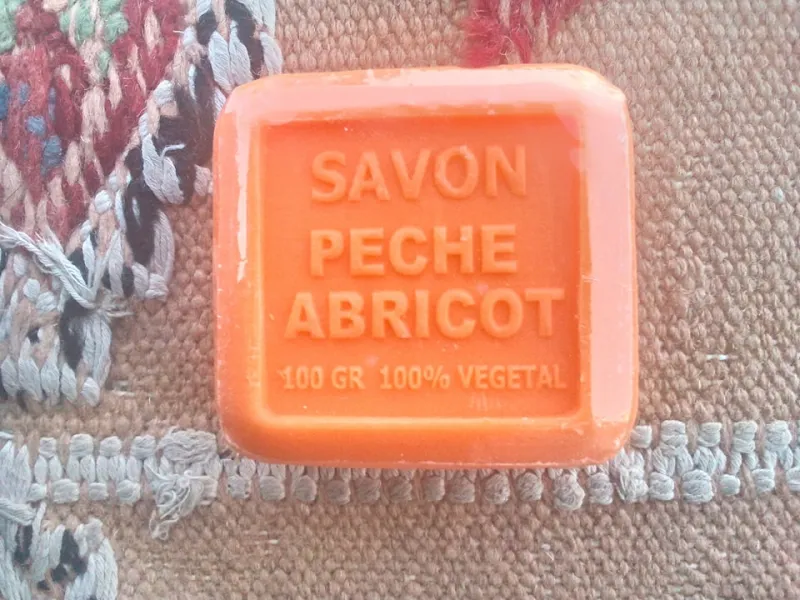
Photo: Sami Mlouhi, CC BY-SA 4.0, via Wikimedia Commons
Most of us don't think twice about swapping out our wardrobe when the seasons change. Sweaters come out in October. Linen goes back in come spring. We adjust our diets, our routines, our whole approach to daily life based on what's happening outside.
But somehow, the bar of soap sitting in the shower stays exactly the same from January through December.
Here's the thing: your skin is responding to seasonal changes whether you acknowledge it or not. Temperature shifts, humidity levels, indoor heating, sun exposure — all of it affects your skin's moisture barrier, oil production, and overall health. Choosing natural soap with the right ingredients for each season isn't overthinking it. It's just paying attention.
Let's break it down season by season.
Winter: Fight the Dryness Before It Starts
If you live anywhere north of, say, Atlanta, you know what winter does to your skin. The cold air outside holds less moisture. Then you come inside to a heated apartment or house where the air is even drier. Your skin's natural moisture barrier takes a beating, and the result is tightness, flakiness, and that uncomfortable "stripped" feeling after a shower.
In winter, your soap needs to do more than clean — it needs to actively support your skin's moisture levels.
Ingredients to look for:
- Shea butter: This is a winter skin essential. Rich in fatty acids and vitamins A and E, shea butter helps reinforce the skin's barrier and locks in hydration without feeling heavy.
- Olive oil: One of the oldest skincare ingredients in the world for good reason. High in oleic acid, it absorbs well and helps keep skin supple even in harsh conditions.
- Castor oil: Used in smaller amounts in soap formulations, castor oil contributes to a creamy, conditioning lather that doesn't leave skin feeling dry after rinsing.
- Oat: Colloidal oatmeal or ground oats added to a soap bar can help soothe irritated, reactive winter skin.
What to avoid: Soaps with high concentrations of coconut oil or palm kernel oil as the primary base can be more cleansing (stripping) than moisturizing. Great for oily skin in summer; less ideal when you're already fighting winter dryness.
At Alada Soap, our richer, butter-forward bars are formulated with exactly these cold-weather needs in mind — the kind of lather that feels like a small luxury when it's 20 degrees outside.
Spring: Reset and Rebalance
Spring is a transitional season for skin, and that transition can feel a little unpredictable. You might deal with lingering dryness in early March followed by unexpected breakouts as temperatures climb and humidity picks up again. Pollen and other environmental allergens can also trigger sensitivity in some people.
This is the season to gently rebalance rather than go all-in on heavy moisture or deep cleansing.
Ingredients to look for:
- Hemp seed oil: Lightweight and non-comedogenic, hemp seed oil won't clog pores while still providing essential fatty acids your skin needs.
- Calendula: This golden botanical is well-known for its soothing properties and works beautifully for skin that's transitioning out of winter sensitivity.
- Green tea or chamomile: Both bring antioxidant and calming properties to a soap formulation, helping to address any lingering redness or irritation.
Spring is also a great time to experiment with lightly scented bars using fresh, herbal, or floral essential oils. Think eucalyptus, lemongrass, or rose — scents that feel aligned with the season without being overwhelming.
Summer: Keep It Light and Fresh
Summer skin is a different animal entirely. Heat ramps up sebum production, humidity is in the mix, and you're probably sweating more than usual. The goal shifts from moisture retention to effective but gentle cleansing that doesn't leave residue or clog pores.
You still want natural ingredients, but lighter ones.
Ingredients to look for:
- Coconut oil: In summer, a higher coconut oil content in your soap actually works in your favor. It creates a bubbly, cleansing lather that rinses clean — ideal for post-gym or post-beach showers.
- Activated charcoal: A popular addition to natural soaps for a reason. Charcoal helps draw out impurities and excess oil from pores, making it a smart choice for humid months.
- Tea tree essential oil: Naturally antimicrobial and refreshing, tea tree is a solid summer pick — especially useful if you're prone to body breakouts when you sweat.
- Peppermint: Beyond its refreshing scent, peppermint provides a cooling sensation that genuinely feels amazing in a hot shower.
Pro tip: In summer, shorter shower times with slightly cooler water will do your skin more favors than any ingredient swap. Hot water strips the skin barrier, and that's amplified when you're already dealing with sun exposure.
Fall: Prep Your Skin Before Winter Hits
Fall is the most underrated skincare season. The temperatures are dropping, the air is getting drier, but most of us don't start adjusting our routines until the damage is already done. Getting ahead of winter dryness in October is much easier than trying to repair cracked, irritated skin in February.
Ingredients to look for:
- Avocado oil: Rich and deeply nourishing, avocado oil is a great addition to fall soap bars. It's high in oleic acid and absorbs well, helping to prep the skin's barrier for colder weather.
- Pumpkin seed oil: Seasonally appropriate and genuinely effective — pumpkin seed oil is packed with zinc and vitamin E, both of which support skin health as conditions change.
- Cinnamon or clove (in small amounts): These warming botanicals show up in fall soap formulations for their scent, but they also have natural antimicrobial properties. Just note that they can be sensitizing in high concentrations, so look for them in well-balanced recipes.
Fall is also a great time to reintroduce richer bars to your routine before you actually need them — think of it as conditioning your skin ahead of the season rather than reacting to it.
A Few Universal Tips
Regardless of the season, a few principles hold year-round when you're shopping for natural soap:
- Shorter ingredient lists are usually better. If you can't picture what the ingredient looks like in nature, that's worth a second look.
- Fragrance matters. Synthetic fragrances are one of the leading causes of skin irritation. Natural soaps scented with essential oils are generally a gentler choice.
- Give it time. Switching to a natural, handcrafted bar after years of commercial soap use can take a few weeks for your skin to fully adjust. Stick with it.
At Alada Soap, every bar we make is built around real, purposeful ingredients — the kind you'd actually want on your skin in any season. Whether you're stocking up for a dry Midwest winter or looking for something light and refreshing for a humid Southern summer, there's a natural soap formulation that fits.
Your skin is always responding to the world around it. Your soap should too.
