Pack Light, Glow Bright: The Savvy Traveler's Guide to Keeping Skin Happy on the Go
Your Skincare Routine Deserves a Passport Too
There's a certain kind of travel chaos that every skincare-conscious person knows all too well. You've finally found a handmade soap that your skin absolutely loves — the one with the perfect blend of shea butter, oat milk, and lavender — and then you realize you're about to board a four-hour flight with a three-ounce liquid limit standing between you and your routine. Sound familiar?
Here's the thing: traveling with quality, artisanal skincare doesn't have to be a logistical nightmare. With a little know-how and the right products, you can step off a plane looking refreshed instead of parched. Let's break it down.
The TSA Rule and Why Solid Soap Is Your Best Friend
If you're flying carry-on only — and honestly, why aren't you? — the TSA's 3-1-1 liquids rule is your biggest hurdle. Each liquid, gel, or aerosol has to be 3.4 ounces or less, fit inside a single quart-sized bag, and one bag per person. It sounds manageable until you're trying to squeeze in your face wash, moisturizer, shampoo, and conditioner alongside everything else.
This is where solid soap bars genuinely shine. Unlike liquid body wash, a solid bar isn't subject to the 3-1-1 rule at all. You can toss a full-size bar of handmade soap right into your carry-on without a second thought. No bag. No measuring. No last-minute decanting into tiny plastic bottles the night before your trip.
Handcrafted bars — especially cold-process soaps made with nourishing oils like coconut, olive, or castor — tend to be far more concentrated than their liquid counterparts. A single bar can easily last two to three weeks of daily use, which covers most vacations with room to spare.
Choosing the Right Bar for Your Journey
Not all solid soaps travel equally well. Here are a few things worth thinking about before you pack:
Hardness matters. A well-cured handmade soap (one that's been dried for four to six weeks after making) will hold up much better in your bag than a freshly made bar. Softer bars can get mushy, especially in humid climates. Look for bars that feel firm and dry to the touch.
Scent sensitivity in tight spaces. Strongly fragranced bars can be a little intense in the enclosed quarters of a hotel bathroom — or your seatmate's nostrils if your bag isn't zipped properly. For air travel especially, consider a lightly scented or unscented option. Eucalyptus and peppermint bars, while refreshing, have a way of announcing themselves.
Multi-use bars are gold. Some artisan soaps are gentle enough to use on your face, body, and even hair. If you're trying to minimize what you carry, a truly versatile bar cuts your packing list significantly.
Keeping Your Bar Clean and Dry Mid-Trip
One of the only real downsides to traveling with bar soap is figuring out storage. Wet soap sitting in a plastic bag or on a hotel sink ledge gets soggy fast, and nobody wants to dig a slimy bar out of their toiletry case.
A few solutions that actually work:
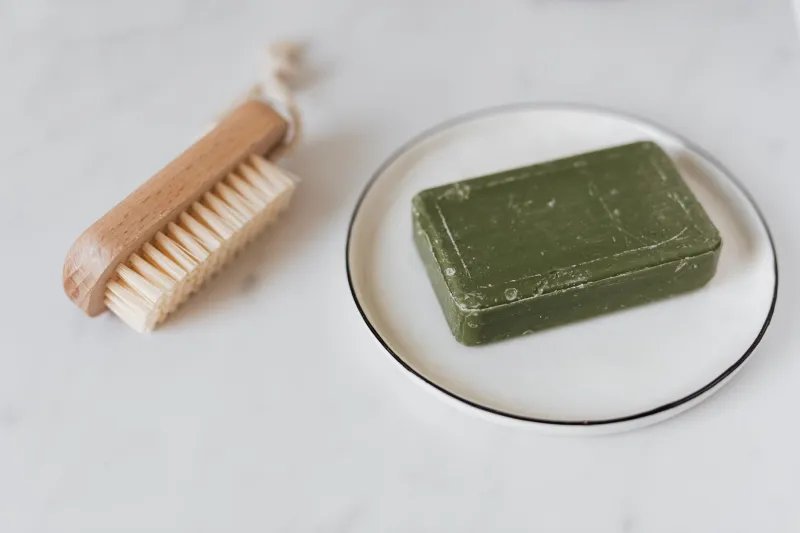
- A small tin or travel soap dish with drainage. These are lightweight, reusable, and keep your bar from sitting in its own moisture.
- A mesh soap bag or sisal pouch. These double as a gentle exfoliating tool in the shower and let the bar air dry naturally.
- The paper towel trick. In a pinch, wrap your bar loosely in a dry paper towel between uses to wick away excess moisture.
Give your bar a few minutes to air out before packing it away each morning. It sounds fussy, but it takes maybe thirty seconds and extends the life of your soap considerably.
Adjusting for Climate: What Your Skin Needs Changes When You Land
Here's something a lot of people overlook: your skin behaves differently depending on where you are. Flying to Phoenix in July? The desert air will strip moisture faster than you expect. Heading to Miami or New Orleans in the summer? The humidity is doing some of the heavy lifting, but heat and sweat create their own challenges.
In dry or high-altitude climates, look for bars with higher concentrations of butters and oils — shea, cocoa butter, avocado oil, and sweet almond oil all help create a barrier that slows moisture loss. After washing, don't skip a moisturizer, even if you normally skip it at home.
In hot, humid environments, lighter bars with more cleansing power (think coconut oil or castile-style soaps) can help manage excess oil without stripping your skin entirely. Tea tree and activated charcoal bars are also worth considering if you're prone to breakouts when you sweat more than usual.
Cold-weather destinations call for extra gentleness. Wind and low temperatures can make skin reactive, so stick with fragrance-free or minimally scented bars and avoid anything too astringent.
The Fun Part: Discovering Local Soap Makers Wherever You Go
One of the quiet joys of traveling — especially through smaller cities, mountain towns, and coastal communities — is stumbling onto local artisan markets and indie shops. And if you're already someone who appreciates handcrafted soap, you know that regional makers often incorporate locally sourced ingredients that you genuinely can't find anywhere else.
Goat milk soaps from a small farm in Vermont. Honey and beeswax bars from an apiary in the Texas Hill Country. Sea kelp and coastal botanicals from a maker in the Pacific Northwest. These aren't just souvenirs — they're a real window into the place you're visiting.
A few ways to track down quality local makers on the road:
- Farmers markets are almost always your best bet. Most mid-size and larger US cities have at least a weekly market, often on weekends.
- Etsy's location filter lets you search by city or region before you even leave home, so you can plan a visit.
- Instagram hashtags like #[cityname]soap or #[cityname]artisan can surface small makers who don't have a big retail presence.
- Independent natural food stores and co-ops often carry locally made bath products alongside their grocery offerings.
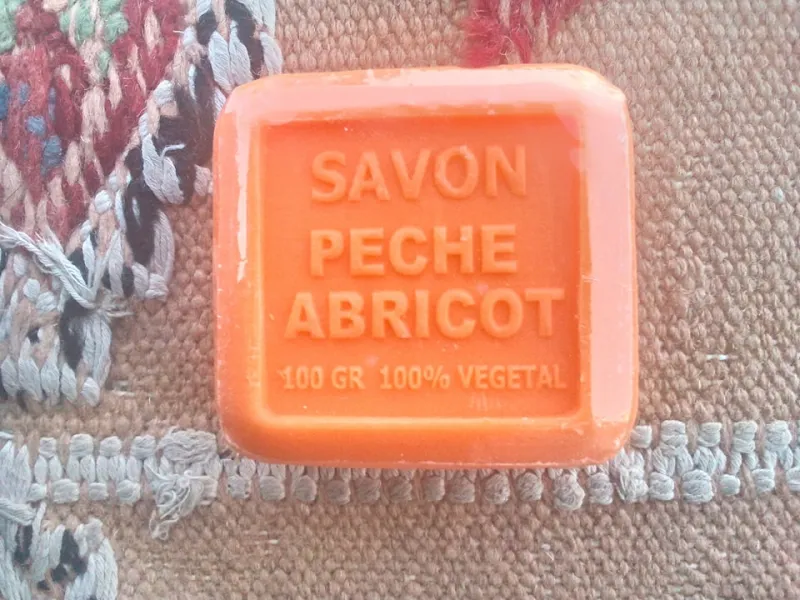
Picking up a bar from a local maker is one of the most low-waste, high-meaning souvenirs you can bring home. It's small, it's useful, and it tells a story.
A Quick Packing Checklist Before You Zip Up
Before you head out the door, run through this fast mental checklist:
- Solid bar soap (cured, firm, appropriate for your destination's climate)
- Travel soap dish or mesh bag for drying
- A lightweight moisturizer if you're heading somewhere dry
- A small cloth or reusable wrap to bundle your bar in if needed
- A note of any local markets or artisan shops at your destination
Traveling light doesn't have to mean traveling without intention. Your skin deserves the same care on the road that it gets at home — and honestly, a beautiful handmade soap bar takes up less space than a full bottle of body wash ever did. Pack smart, explore freely, and don't be afraid to come home with a few extra bars.