Aged to Perfection: The Surprising Science of Why Handmade Soap Keeps Getting Better
We live in an instant-gratification world. Two-day shipping, one-click checkout, same-day everything. So it might feel a little strange to hear that some of the best soap you'll ever use is soap you set aside and wait on. But that's exactly what handmade soap enthusiasts — sometimes called soap hoarders, affectionately — have known for years.
A freshly poured bar of artisanal soap is already something special. But give it six months, a year, even longer? It transforms. The lather gets creamier, the bar gets harder and longer-lasting, and the scent deepens in ways that are genuinely hard to put into words. None of that happens with the bar you grab off a drugstore shelf.
Here's why — and how you can start building your own soap collection that matures like a really good bottle of wine.
What's Actually Happening Inside a Handmade Bar
To understand why aging matters, you need a quick primer on how handmade soap is made. Most artisanal soap is crafted using the cold process or hot process method, where oils and fats are combined with lye (sodium hydroxide) in a chemical reaction called saponification. That reaction converts the fats into soap molecules and glycerin — a naturally occurring humectant that commercial manufacturers typically extract and sell separately.
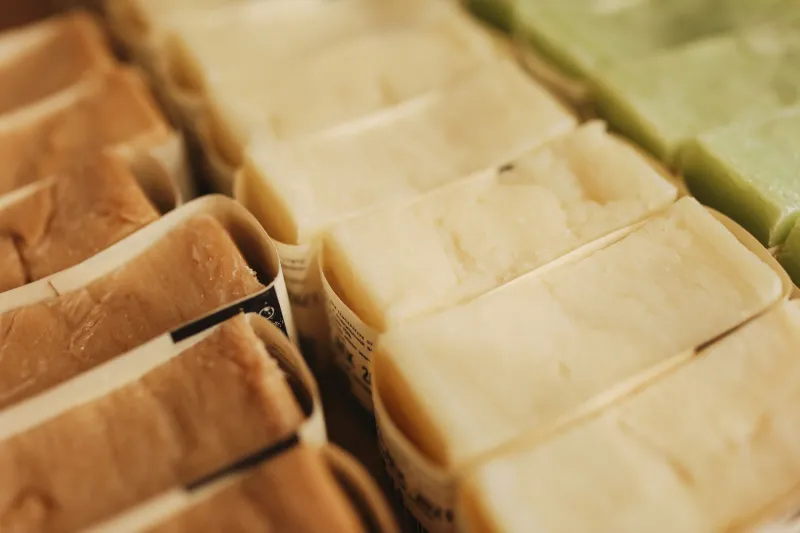
The thing is, saponification doesn't finish the moment the soap comes out of the mold. It keeps going. The cure period — typically four to six weeks at minimum — allows the chemical reaction to complete, excess water to evaporate, and the bar to harden. But here's what most people don't realize: the improvements don't stop at six weeks. They continue for months.
As water continues to leave the bar, the concentration of beneficial compounds increases. The soap gets denser, which means it lasts longer in the shower. The lather becomes more refined. And the oils that weren't fully saponified — the superfat, or lye discount — have more time to condition and settle into the bar's structure.
The Glycerin Factor: What Commercial Soap Is Missing
This is where the gap between handmade and commercial soap becomes really obvious. Mass-produced soap bars are almost always made through a process that strips out the glycerin, which is then sold to cosmetics companies. What you're left with is a bar that cleans, sure, but doesn't retain moisture in the same way.
Handmade soap keeps its glycerin. And as the bar ages, that glycerin doesn't disappear — it actually becomes more evenly distributed throughout the bar. The result is a soap that feels genuinely different on skin: softer, more hydrating, less stripping. That's not marketing language. That's basic soap chemistry.
Commercial bars, by contrast, often contain synthetic detergents, hardening agents, and added fragrance chemicals. They don't cure in the same way. They don't improve with time because there's no ongoing chemical process to complete. What you buy is what you get — and it starts declining from there.
The Ideal Aging Window
So how long should you let a handmade bar cure before using it? The short answer: longer than you think.
- 4 to 6 weeks: The standard minimum cure. The bar is safe to use and most of the saponification is complete. Water content is still relatively high.
- 3 to 6 months: This is where things get noticeably better. The bar is significantly harder, the lather is richer, and scent from essential oils has had time to meld and mellow.
- 6 to 12 months: Peak performance for most bars. Longevity is dramatically improved, and the skin feel is at its best.
- 1 to 3 years: For bars made with high-oleic oils (like olive or avocado), aging this long can produce an almost silky quality. Traditional Castile soap, made with 100% olive oil, is actually recommended to cure for a full year or more.
Bars with a high water content or fragile botanical additives may not benefit from extended aging as much, so it's worth checking with the maker about their specific formulation.
Building Your Own Soap Stash
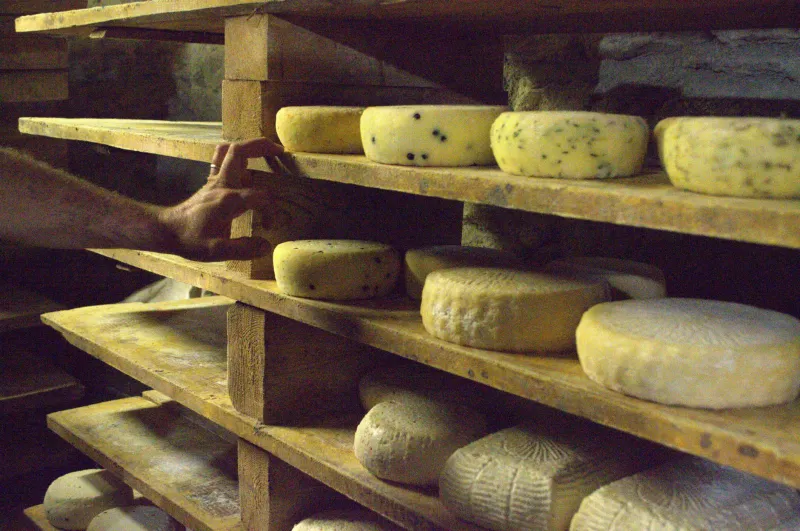
Here's where it gets fun. Some soap lovers — and we count ourselves among them — intentionally buy bars in multiples and rotate through them, always keeping a few set aside to age. Think of it like a cellar, but for soap.
A few tips for building a collection that matures well:
Store bars properly. Keep them somewhere cool, dry, and out of direct sunlight. A wooden soap dish, a cedar drawer insert, or even a simple cardboard box works great. Avoid plastic wrapping that traps moisture.
Label your bars. Write the purchase date on the bottom with a felt-tip marker. It sounds fussy, but when you're reaching for a bar a year from now, you'll be glad you did.
Buy seasonally. Many small-batch soap makers release seasonal scents and formulations. Picking up a few extras when they drop means you'll have beautifully aged versions to enjoy long after the limited run sells out.
Rotate strategically. Keep your newest bars at the back and use your oldest bars first. This keeps your collection moving and prevents anything from sitting so long it goes rancid (yes, that can happen — usually after two to three years, depending on the oils used).
Why This Matters for How You Shop
When you're buying handmade soap, you're not just buying a product. You're buying something that's still evolving. That's a genuinely different relationship than what you have with a bottle of body wash or a commercial bar.
At Alada Soap, every bar is made with that curing process in mind — because we know what a well-aged bar can do for your skin and your shower routine. So the next time you're tempted to crack open a new bar the day it arrives, consider setting one aside. Give it some time. Let it do its thing.
The best lather you've ever had might be sitting in a drawer right now, just waiting for you to be patient enough to let it get there.