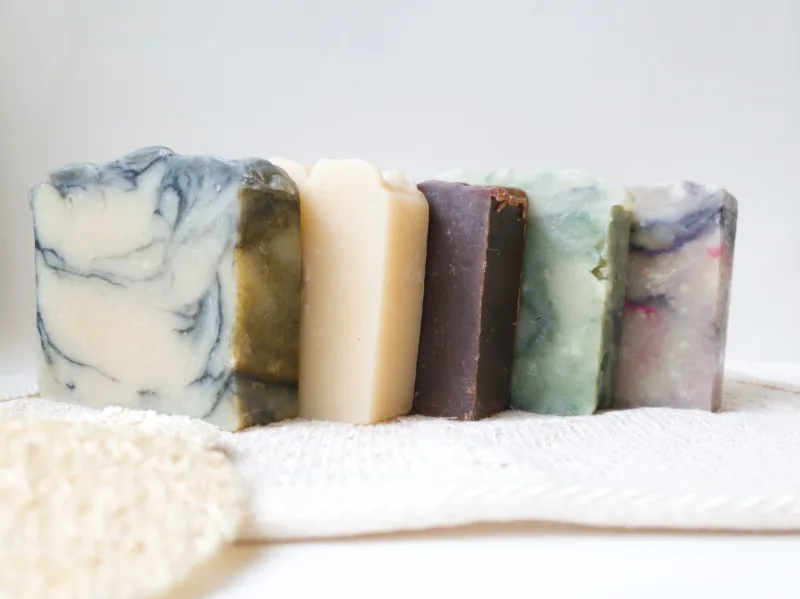
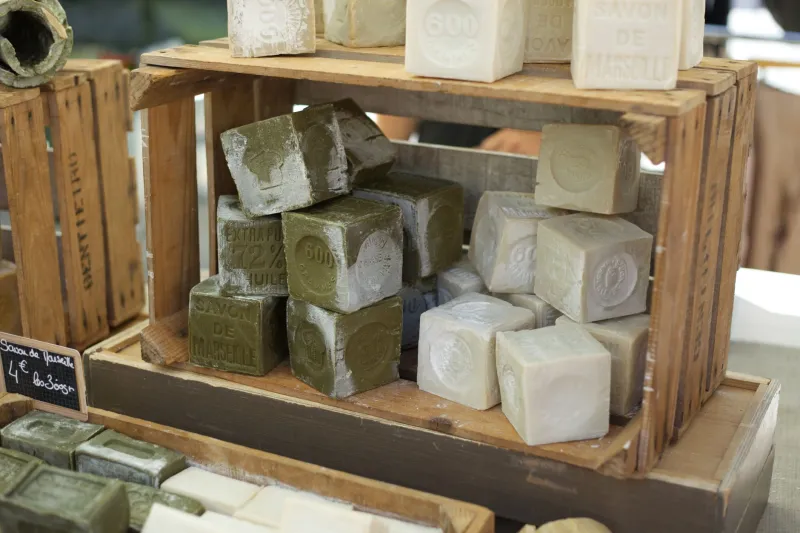
Bar vs. Bar: What Actually Happens When You Put Handmade Soap to the Test
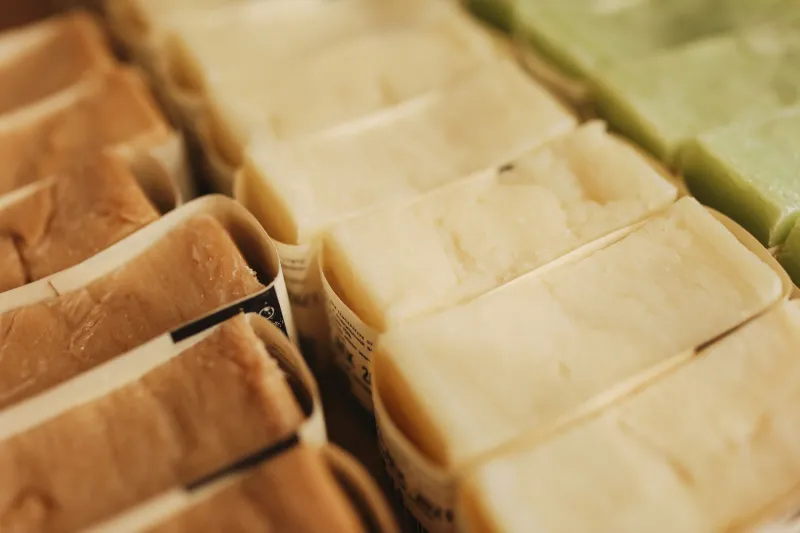
The Experiment Anyone Can Run at Home
Here's a challenge: grab a bar of handmade artisanal soap and a popular drugstore bar, set them side by side in your shower, and just... pay attention. Use them both. Track them both. Give it a few weeks. What you'll find tells a story that no marketing copy can.
We did exactly that — and then broke down the results so you don't have to guess what you're actually paying for when you choose one over the other.
Spoiler: this isn't a puff piece where handmade wins at everything by default. It's a genuine look at where the differences show up, why they exist, and how to decide what actually makes sense for your skin, your wallet, and your bathroom shelf.
Round One: How Long Does Each Bar Actually Last?
Longevity is one of the most common questions people ask when they're considering switching to handmade soap. And it's fair — artisanal bars typically cost more upfront, so the logical question is whether they hold their own over time.
Here's what most people don't realize: a standard commercial bar is loaded with synthetic fillers, air whipped in during manufacturing, and water-binding agents that inflate the bar's size without adding much to its function. You're essentially paying for volume, not substance.
Handmade cold-process and hot-process soaps are denser by nature. They're made with real oils, butters, and botanicals that don't evaporate or dissolve as quickly in water. In our test, the handmade bar lasted noticeably longer when stored properly on a draining soap dish between uses — roughly 20 to 30 percent more washes from a similarly sized bar.
The trick is letting it dry out between showers. Handmade bars that sit in pooled water will mush faster than commercial ones, which are engineered to resist that kind of moisture exposure. Give your artisanal bar a proper soap dish with drainage, and the longevity advantage kicks in pretty quickly.
Round Two: The Lather Question
Lather is where a lot of people get tripped up. Commercial bars — especially those with sodium lauryl sulfate or synthetic foaming agents — produce that big, fluffy, instant lather that we've all been conditioned to associate with "clean." It's satisfying. It feels productive.
Handmade soap lathers differently. The bubbles tend to be creamier and denser rather than airy and voluminous. Bars made with castor oil produce a particularly rich, stable lather. Those formulated with coconut oil bring more bubbles to the party. Olive oil-heavy bars lean silkier.
Neither type of lather is objectively better at cleaning — what matters is the surfactant action, not the foam. But the texture difference is real, and it takes some adjustment if you're used to commercial foam. After a week or two, most people find they actually prefer the feel of handmade lather. It rinses cleaner and doesn't leave that filmy residue that some commercial bars do.
Round Three: What Your Skin Feels Like Afterward
This is where the gap widens considerably.
Commercial soap bars — even ones marketed as moisturizing — often strip the skin's natural oils more aggressively than their packaging suggests. Many contain detergents rather than true soap, and the synthetic fragrance loads can be irritating for sensitive skin types. That tight, squeaky-clean feeling after washing? That's actually your skin barrier telling you something was taken that shouldn't have been.
Handmade soaps retain glycerin, a natural byproduct of the saponification process that commercial manufacturers typically extract and sell separately for use in lotions and creams. That glycerin stays in your bar, and it's a genuine humectant — it draws moisture to the skin. The result is that soft, slightly dewy feeling after rinsing that handmade soap users tend to rave about.
In our test, the difference in post-wash skin feel was the most immediately noticeable result. No lotion needed after using the handmade bar. The commercial bar left skin feeling noticeably drier, especially on arms and legs.
Round Four: Breaking Down the Cost Per Wash
Let's do some quick math, because this is where the "handmade soap is expensive" argument usually gets challenged.
A quality handmade bar from a small-batch maker typically runs between $8 and $12. A name-brand commercial bar might cost $3 to $5. On the surface, the commercial bar wins on price.
But stretch it out. If a handmade bar yields roughly 80 to 100 washes (using it once daily with proper drying), you're looking at roughly 8 to 15 cents per wash. A commercial bar that lasts 60 to 70 washes at $4 comes in around 6 to 7 cents per wash.
The gap is real but narrower than people expect — and it doesn't account for the lotion you might skip, the dermatologist visit you might avoid, or the fact that you're not buying a product loaded with synthetic additives your skin has to deal with.
For a lot of people, the cost-per-wash math is close enough that skin feel and ingredient quality tip the scale.
What the Experiment Actually Teaches You
Running this comparison yourself is genuinely worth doing — not because you need to be convinced of anything, but because paying attention to how products interact with your skin is the whole point.
Some people with very oily skin actually prefer the stronger cleansing action of a commercial bar for certain uses. Some people find that specific handmade formulations — high in shea butter or cocoa butter — are too rich for their face but perfect for their body. The experiment teaches you to notice, not just to consume.
What handmade soap consistently delivers is transparency: you know what went into the bar, you know it wasn't manufactured in bulk with cost-cutting shortcuts, and you know the person who made it actually had to think about what they were putting together. That intentionality shows up in the results.
How to Run Your Own Side-by-Side
If you want to try this at home, here's a simple setup:
- Pick two bars of similar size — one handmade, one commercial.
- Use a tally system — mark a small notebook each time you use each bar.
- Store both on proper draining dishes so neither has an unfair advantage.
- Note skin feel after each wash, especially if you skip moisturizer.
- Weigh both bars weekly if you want to get precise about usage rate.
Give it at least three weeks. Your skin will tell you plenty.
The goal isn't to declare a winner before you start. It's to actually know what you're choosing and why — which, honestly, is the whole point of caring about what goes on your skin in the first place.