When 'Natural' Goes Rogue: The Hidden Ways Beloved Soap Ingredients Can Turn on Your Skin
There's a comforting assumption most of us carry into the natural beauty aisle: if it came from a plant, it's got to be good for you. And most of the time? That's true. But here's the part that doesn't get talked about nearly enough — some of the most beloved natural ingredients in handmade soap have a shelf life that's shorter than you'd expect, and when they go past it, they don't just stop working. They can actually start working against you.
Oxidation is the quiet villain in this story. It's the same process that turns a cut avocado brown or makes cooking oil smell funky after a few months. When oils, butters, and botanical extracts oxidize, they generate free radicals — unstable molecules that break down collagen, trigger inflammation, and accelerate the very signs of aging most of us are trying to prevent. The irony is sharp: a bar marketed as a skin-nourishing treat can, under the wrong conditions, become a daily source of oxidative stress.
This isn't a reason to swear off handmade soap. Far from it. But it is a reason to get a little smarter about what's inside your bar, how it was made, and how it's been stored.
The Ingredients With the Shortest Runway
Not all oils are created equal when it comes to stability. Some are workhorses — they hold up well under heat, light, and time. Others are delicate and need careful handling from the moment they're sourced.
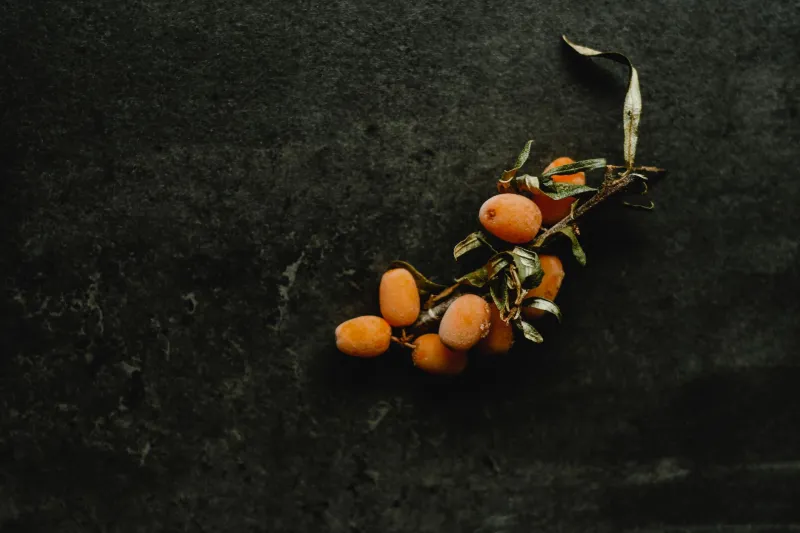
Rosehip seed oil is a prime example. It's loaded with vitamins A and C, and it's genuinely wonderful for supporting skin tone and texture. But it has a notoriously short shelf life — typically six months to a year even under ideal conditions. In a bar of soap that sits on a retail shelf or ships across the country in summer heat, that window shrinks fast. The same goes for sea buckthorn, evening primrose, and hemp seed oil — all high in polyunsaturated fatty acids, which are the most prone to oxidation.
Vitamin E is often added to soap precisely because it's an antioxidant that can slow this process. But here's the catch: vitamin E itself degrades when exposed to heat during the soap-making process, especially in hot-process methods. If it's added too early or in insufficient amounts, it may not provide the protection it's supposed to.
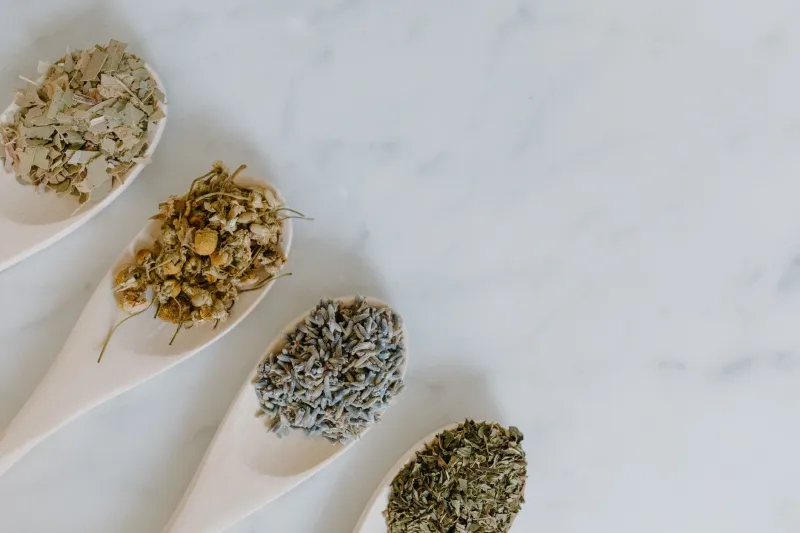
Popular botanical add-ins like ground coffee, oatmeal, and powdered herbs can also become problematic over time. These plant-based particles contain their own oils and organic compounds that oxidize independently of the base oils. A bar studded with dried florals looks gorgeous on a shelf, but those petals can turn rancid before the soap itself does.
How Soap-Making Techniques Play Into It
The method a maker uses matters more than most shoppers realize. Cold-process soap, which is the most common handmade method, involves a curing period of four to six weeks. During that time — and afterward — the bars are exposed to air, and oxidation begins. A maker who doesn't account for this in their formulation or packaging is essentially leaving a timer running.
Temperature control during production is another factor. Oils that are heated too aggressively or combined at the wrong stage lose some of their beneficial compounds before the soap even cures. This is especially true for fragile botanical extracts and vitamin-rich oils that are added for their skin-care benefits rather than their saponification properties.
Storage after production is where a lot of indie makers — particularly those just starting out — drop the ball. Bars left near windows, under fluorescent lighting, or in warm storage areas are aging faster than they should be. UV exposure is particularly brutal on oils high in unsaturated fats, breaking them down at an accelerated rate.
What Rancid Soap Actually Looks and Smells Like
The good news is that oxidized soap usually gives itself away if you know what to look for. The most obvious sign is smell — a crayon-like, waxy, or slightly sour odor that wasn't there when the soap was fresh. Some people describe it as similar to old cooking oil or a musty basement. If a bar smells even slightly off, trust that instinct.
Visually, you might notice DOS — dreaded orange spots — which are small, discolored patches that appear on the surface of the soap. These are literally spots of rancidity and a clear sign that oxidation has taken hold. A bar with DOS isn't going to harm you in a dramatic way, but it's not doing your skin any favors either.
There's also a texture change that can occur — some oxidized bars develop a softer, almost greasy feel on the surface, or a slight tackiness that wasn't present before.
Questions Worth Asking Before You Buy
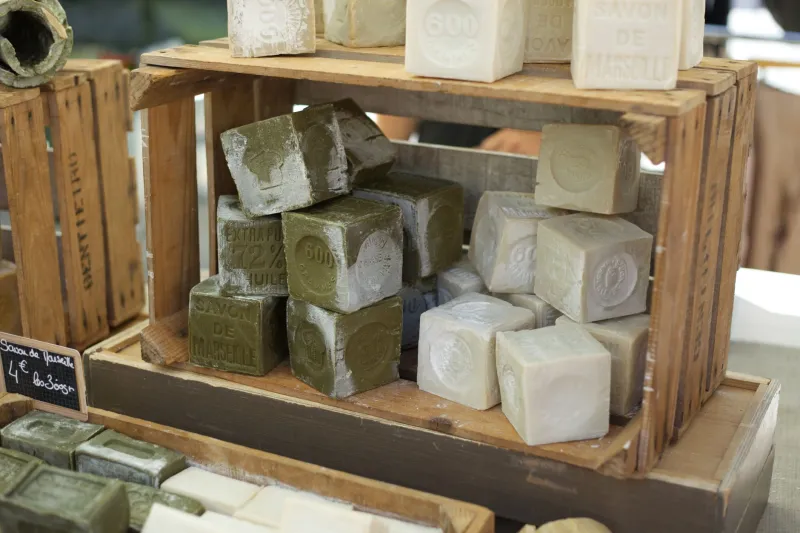
Because handmade soap doesn't have the same standardized labeling as commercial products, you often have to be your own investigator. When you're shopping from a small maker — whether at a farmers market, a craft fair, or an online shop — a few targeted questions can tell you a lot.
Ask when the batch was made. A reputable maker should know this. Bars that are more than a year old, especially those containing high-linoleic oils, are worth scrutinizing more closely.
Ask about storage practices. Are the bars kept in a cool, dark space? Do they use any antioxidant additives like rosemary extract or vitamin E, and at what stage are they added?
Ask about packaging. Bars wrapped in paper or stored in boxes fare better than those displayed unwrapped under bright retail lighting. Some makers shrink-wrap their bars specifically to slow oxidation, which is a sign they're thinking about shelf stability.
Ask about high-risk ingredients. If a bar is loaded with rosehip or hemp oil and the maker can't tell you when it was made or how it was stored, that's information worth having.
How to Protect the Bars You Already Own
If you've got a collection of handmade soap bars at home (no judgment — we get it), you can slow oxidation significantly with a few simple habits. Keep bars away from direct sunlight and heat sources like radiators or sunny windowsills. Store extras in a cool, dry place — a linen closet shelf beats a bathroom cabinet in terms of temperature stability. And if a bar has been sitting around for more than a year, give it a sniff before you use it.
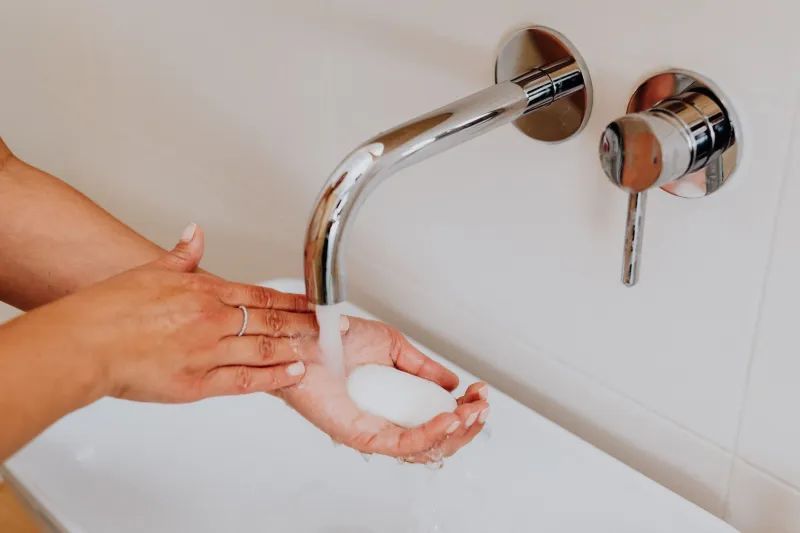
For bars in active use, a well-draining soap dish matters more than people think. Bars that sit in pooled water between uses break down faster and are more vulnerable to microbial growth, which can interact with oxidized oils in unpleasant ways.
The Bottom Line
Natural doesn't mean invincible. The same properties that make certain oils and botanicals so beneficial for your skin — their richness in polyunsaturated fatty acids, vitamins, and plant compounds — also make them more susceptible to degradation over time. A thoughtfully made bar from a maker who understands formulation stability is a genuinely great thing for your skin. But a bar made with fragile ingredients, stored carelessly, and sold well past its prime? That's a different story entirely.
The best handmade soap makers are the ones who treat ingredient science as seriously as they treat their craft. And as a shopper, knowing what to look for puts you in a much stronger position to find bars that are actually working for your skin — not quietly working against it.