When Your Skin Talks Back: Understanding Reactions to Handmade Soap and What to Do Next
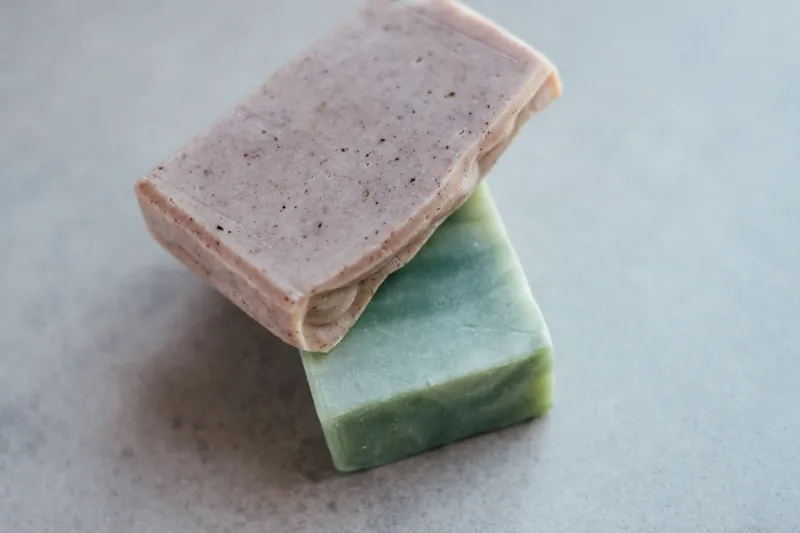
You finally made the switch. You traded in your drugstore body wash for a gorgeous handcrafted bar — maybe something with lavender and shea butter, or a woodsy charcoal blend that smelled like a weekend getaway. You felt good about it. And then, a few days in, your skin had opinions.
Maybe it was a little dry. Maybe you noticed some redness around your wrists or elbows. Maybe a few small breakouts showed up somewhere unexpected. Suddenly you're second-guessing everything and wondering if natural soap is just... not for you.
Here's the thing: skin reactions after switching to handmade soap are more common than you'd think, and they don't automatically mean the soap is bad or that your skin is broken. What they mean is that something changed — and change, even good change, takes adjustment. Let's break down what's actually happening.
Your Skin Has Been Living in a Different World
Most commercial soaps and body washes aren't really soap in the traditional sense. They're detergent-based cleansers loaded with synthetic surfactants, preservatives, artificial fragrance, and stabilizers. Your skin has spent years adapting to those ingredients. Its oil production, barrier function, and microbiome have all calibrated to that specific chemical environment.
When you swap in a handmade bar — one made with saponified oils, botanical extracts, and natural fragrances — your skin suddenly has to recalibrate. Think of it like switching from processed food to a whole-food diet. Your body doesn't immediately feel amazing. There's an adjustment period, and sometimes that period is a little uncomfortable.
This recalibration is real. It's not a myth, but it's also not the same thing as a true allergic reaction. Knowing the difference matters a lot.
What a Normal Adjustment Period Looks Like
For most people, the first one to three weeks after switching to handmade soap can involve:
- Temporary dryness or tightness, especially if your previous products contained heavy synthetic moisturizers that your skin was relying on
- Minor breakouts, particularly on the face or chest, as your skin's oil production adjusts
- Slight itchiness that fades within a few days
- Changes in skin texture that level out over time
None of these are fun, but they're generally short-lived. If symptoms are mild and improving week over week, there's a good chance your skin is just resetting — not reacting to something harmful.
One thing worth noting: handmade soap actually retains glycerin, a natural byproduct of the saponification process that most commercial manufacturers remove and sell separately. Glycerin is a humectant — it draws moisture to the skin. So paradoxically, some people feel drier at first simply because their skin is learning to work with glycerin rather than the silicones and synthetic emollients it was used to. Give it time.
When It's More Than Just Adjustment
Sometimes, though, a reaction is telling you something more specific. True sensitivities and allergic responses look different from a normal adjustment period. Watch for:
- Hives or raised welts that appear quickly after use
- Persistent, worsening redness that doesn't improve after a week or two
- Intense itching or burning rather than mild discomfort
- Swelling, especially around the eyes, lips, or throat (seek medical attention immediately)
- A rash that spreads beyond the area where the soap was applied
If any of these describe what you're experiencing, stop using the product and consult a dermatologist. You may have a genuine sensitivity to one or more ingredients.
The Usual Suspects: Common Ingredients That Trigger Reactions
Handmade soap is made with real, recognizable ingredients — which is mostly a good thing. But real ingredients can still cause reactions in some people. Here are the most common culprits:
Fragrance oils and essential oils are the leading cause of contact dermatitis in soap users. Even natural essential oils like cinnamon, clove, and citrus can be sensitizing, especially on delicate or already-compromised skin. If you're prone to reactions, start with fragrance-free or very lightly scented bars.
Coconut oil is a superstar in soapmaking — it creates a hard bar with great lather — but it can be drying or irritating for people with sensitive skin when used in high concentrations. Look for soaps that balance coconut oil with gentler oils like olive, sunflower, or castor.
Botanical additives like dried herbs, flowers, or clays add visual appeal and functional benefits, but they can occasionally trigger reactions in people with specific plant allergies. If you're allergic to ragweed, for example, you might also react to chamomile.
Colorants, whether natural (like paprika or spirulina) or skin-safe synthetic micas, are generally well-tolerated but worth noting if you're trying to isolate a reaction.
How to Troubleshoot Without Giving Up
The goal isn't to scare you away from handmade soap — it's to help you find the right one. Here's a practical approach:
Start simple. If you're new to handmade soap, begin with an unscented, dye-free bar made with minimal ingredients. Castile-style olive oil soaps are a classic starting point for sensitive skin. Once you've confirmed your skin tolerates the base formula, you can experiment with more complex bars.
Do a patch test. Lather up a small amount and apply it to the inside of your wrist or elbow. Leave it for 24 hours and check for any reaction before committing to full-body use.
Change one thing at a time. If you're switching multiple products at once — soap, shampoo bar, lotion — you won't know what's causing a reaction if one appears. Swap products one at a time and give your skin a couple of weeks between changes.
Read the ingredient list. A good handmade soap maker will always disclose every ingredient. If you've had reactions to specific things in the past, scan the list before buying.
Moisturize separately. Some people expect handmade soap to do all the moisturizing work. It helps, but if your skin tends toward dryness, a simple follow-up moisturizer goes a long way during the adjustment period.
The Bigger Picture
Your skin is genuinely unique. What works beautifully for your best friend might not work the same way for you, and that's completely normal. The good news about handmade soap is that there are so many formulations, scent profiles, and ingredient combinations available that finding your ideal bar is less a matter of if and more a matter of when.
Reactions aren't failures — they're information. They tell you something about your skin chemistry, your sensitivities, and what your body needs. Pay attention to that feedback, adjust accordingly, and don't be afraid to ask questions when you're shopping. A maker who cares about their craft will always be happy to help you find the right fit.
Your skin deserves ingredients it can actually work with. A little patience and some smart troubleshooting can get you there.