Why Your Skin Freaks Out When You Switch to Natural Soap (And What's Actually Going On)
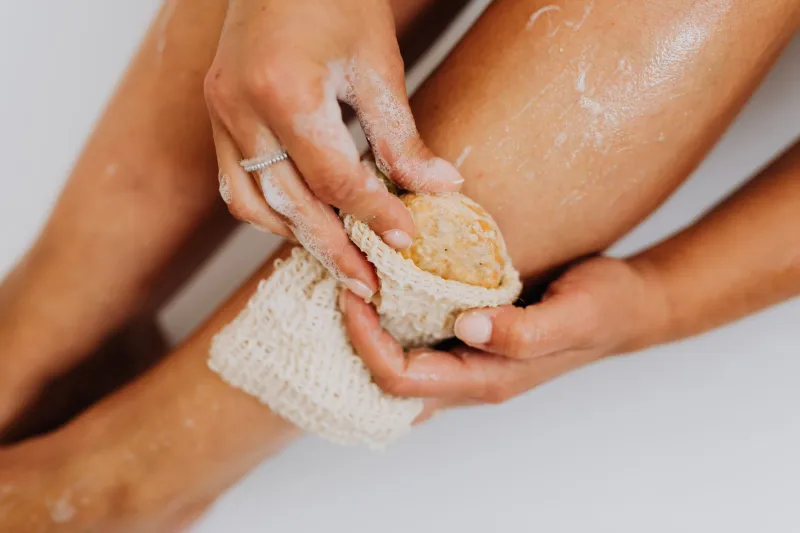
You made the switch. You tossed the plastic-wrapped drugstore bar, ordered something beautiful and handcrafted, and expected your skin to immediately thank you. Instead, it got a little weird — maybe drier than usual, maybe a bit itchy, possibly a breakout you did not see coming. What gives?
First, take a breath. What you're experiencing is more common than you think, and in most cases, it's your skin doing exactly what it's supposed to do. Let's talk about what's actually happening beneath the surface when you make the transition to handmade soap.
Your Skin Has Been Living in a Very Controlled Environment
Commercial soaps — including a lot of the big-name "beauty bars" you'll find at any grocery store — are formulated with a cocktail of synthetic detergents, preservatives, artificial fragrances, and skin-conditioning additives. These ingredients are designed to create a very specific, very consistent experience every single time you lather up.
Over months or years of use, your skin adapts to that environment. It learns to expect certain inputs and adjusts its oil production, its moisture retention, and even its microbial balance accordingly. Essentially, your skin builds a kind of routine around what you've been putting on it.
When you suddenly introduce a completely different product — one made with saponified oils, botanical extracts, and natural butters — your skin doesn't immediately know how to respond. It's not rejection. It's recalibration.
What "Purging" Actually Means (And What It Doesn't)
The word "purging" gets thrown around a lot in natural skincare circles, and it's worth unpacking. True skin purging happens when an active ingredient speeds up your skin's cell turnover cycle, pushing congestion — like clogged pores or trapped sebum — to the surface faster than usual. This can cause temporary breakouts, especially if you've been using products that suppressed your skin's natural processes.
Here's the honest truth: not everything that gets called "detox" is actually detox. Some of what people experience in the first few weeks of switching to natural soap is simply irritation from unfamiliar ingredients, a disrupted moisture barrier, or even a reaction to something specific in the new formula.
The key distinction? Legitimate skin adjustment tends to be mild, localized, and short-lived — usually resolving within two to four weeks. If you're dealing with significant redness, swelling, hives, or persistent discomfort, that's not adaptation. That's a signal to stop and reassess.
The Moisture Barrier Is the Main Character Here
Your skin's outermost layer — the stratum corneum — functions like a protective wall. It keeps moisture in and environmental irritants out. Commercial soaps often strip this barrier significantly, which sounds bad, but your skin compensates by either overproducing oil or relying on the synthetic emollients in the product itself to feel balanced.
Handmade cold-process soap, by contrast, retains glycerin — a naturally occurring byproduct of the saponification process that's often removed from commercial bars and sold separately to cosmetic companies. Glycerin is a humectant, meaning it draws moisture toward the skin. So your first handmade bar is actually delivering something your skin may not have received in a while.
But here's the catch: if your moisture barrier is already compromised from years of harsh surfactants, even a gentle natural soap can feel like too much in the early days. Slightly tight skin or minor flaking isn't your new soap failing you — it's your barrier in the process of rebuilding.
Natural Fragrances and Botanicals: Not Always Neutral
One thing worth knowing upfront is that "natural" doesn't automatically mean "non-reactive." Essential oils like lavender, eucalyptus, peppermint, and citrus are genuinely plant-derived — but they're also highly concentrated and can be sensitizing for some skin types, especially if your barrier is already fragile.
The same goes for botanical additives like oat flour, activated charcoal, or clay. These ingredients serve real functions — soothing, drawing out impurities, gentle exfoliation — but they interact with your skin in ways that synthetic fillers simply don't. If you've got known sensitivities, starting with a fragrance-free or very simply formulated bar gives your skin the best chance to adjust without added variables.
At Alada Soap, we're big believers in transparency around ingredients — not just listing them, but actually explaining what they do. Because when you know what you're putting on your body, you can make smarter choices about what your skin actually needs right now.
How to Tell If It's Adjustment or an Actual Problem
Not every skin response during a product switch is benign, so it helps to know what to watch for. Here's a simple way to think about it:
Likely normal adjustment:
- Skin feels slightly tighter than usual after washing
- Minor flaking or dryness in the first one to two weeks
- Small, short-lived breakouts in areas where you tend to get congestion
- Skin that feels "different" but not painful or inflamed
Worth pausing and reassessing:
- Burning or stinging that doesn't subside quickly after rinsing
- Raised, itchy welts or hives
- Redness that spreads or worsens over days
- Any reaction that feels like it's escalating rather than improving
If you're in the second category, it's worth checking the ingredient list for common allergens — tree nuts, soy, and certain essential oils are frequent culprits. And of course, if anything feels serious, a dermatologist is always the right call.
Practical Tips for a Smoother Transition
If you want to give your skin the best shot at adapting happily, a few small moves can make a real difference.
Start simple. Choose a bar with a short ingredient list and no added fragrance for your first couple of weeks. Let your skin meet natural soap on easy terms before introducing anything more complex.
Follow up with a good moisturizer. Natural soap cleans effectively, which means it's doing its job — but pairing it with a nourishing lotion or body oil right after you shower helps your barrier stay supported while it adjusts.
Give it time. The general guideline most estheticians suggest is around three to four weeks before drawing conclusions. Skin cell turnover takes roughly that long, so you're not really seeing the full picture until you've been consistent for a month.
Pay attention to water temperature. Hot showers strip the skin regardless of what soap you're using. Warm water is gentler on your barrier and will make any transition period easier.
The Bigger Picture
Switching to handmade soap is genuinely one of the most impactful small changes you can make for your skin's long-term health. You're moving away from synthetic detergents, unnecessary preservatives, and artificial ingredients — and toward something made with real oils, real botanicals, and real intention.
Your skin might need a moment to catch up. That's okay. Understanding why it's happening is half the battle, and knowing the difference between a normal adjustment and a genuine reaction means you can navigate the transition with confidence instead of second-guessing every lather.
Your skin is resilient. Give it a little grace, a little time, and the right ingredients — and it'll show you what it's capable of.