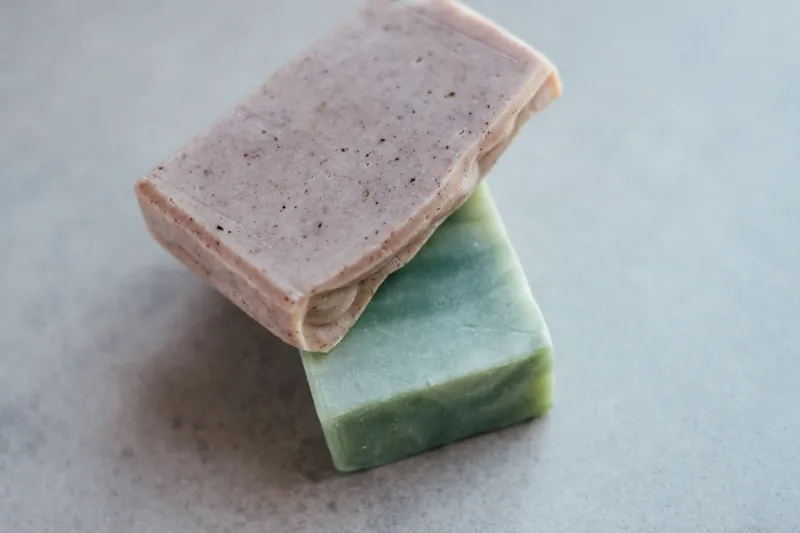
Sea Buckthorn Oil: The Bright Orange Powerhouse Your Skin Is Missing
If you've ever stood in a pharmacy aisle squinting at the back of a soap bottle, trying to decode the ingredient list, you already know the drill. Sodium lauryl sulfate. Fragrance (whatever that means). A few synthetic preservatives. Maybe a token drop of something that sounds botanical — just enough to put a leaf on the packaging.
What you almost never see? Sea buckthorn oil.
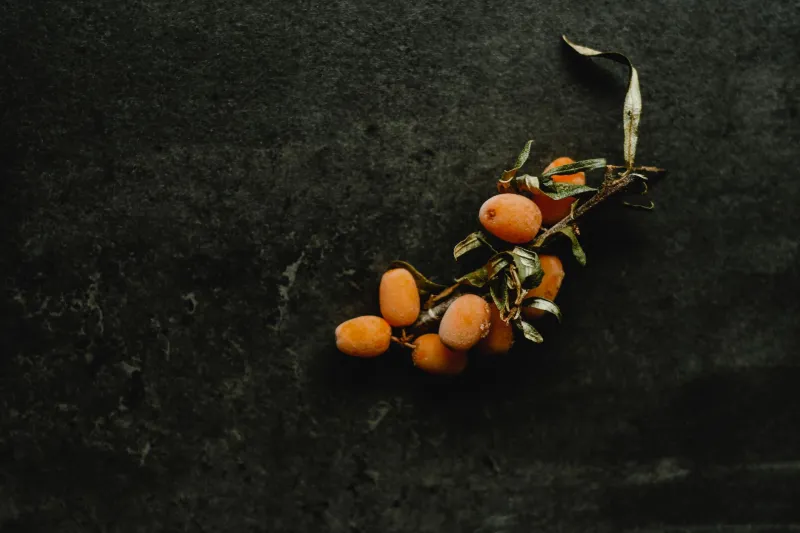
And that's a shame, because this ingredient — a deep, vibrant orange oil pressed from the berries and seeds of the Hippophae rhamnoides shrub — is one of the most nutrient-dense botanical oils in the world. Dermatologists who specialize in integrative skincare have been paying attention to it for years. Mass-market soap brands, for the most part, haven't bothered.
Here's why it deserves a spot in your bathroom — and why handcrafted soap is the best place to find it.
What Actually Makes Sea Buckthorn So Different
Let's get into the good stuff. Sea buckthorn oil is extraordinarily rich in omega fatty acids — specifically omega-3, omega-6, omega-7, and omega-9. That combination is rare in plant-based oils. Most botanicals offer one or two of these fatty acids in meaningful quantities. Sea buckthorn delivers all four.
Omega-7, in particular, is the standout. Also known as palmitoleic acid, it's a fatty acid that your skin actually produces naturally — but production slows significantly as you age. Applying it topically helps replenish what your skin is gradually losing, which is why research has linked it to improved skin elasticity, reduced dryness, and faster wound healing.
Beyond the fatty acids, sea buckthorn oil is loaded with:
- Beta-carotene and carotenoids — the same antioxidant compounds that give carrots their color, and which help protect skin cells from oxidative stress
- Vitamin E (tocopherols) — a well-established skin barrier supporter
- Vitamin C — in concentrations that rival rose hip oil, supporting collagen synthesis
- Flavonoids — plant compounds with anti-inflammatory properties
That's a lot happening in one ingredient. And the research backs it up. Studies published in journals like the Journal of Ethnopharmacology and Clinical Interventions in Aging have documented sea buckthorn's positive effects on skin hydration, barrier function, and even conditions like atopic dermatitis.
So Why Doesn't Your Drugstore Soap Contain It?
Honestly? A few reasons, and none of them are flattering to commercial brands.
First, sea buckthorn oil is expensive. The yield from the berries is relatively low, and the extraction process is labor-intensive. For a company manufacturing soap at massive scale — we're talking millions of units — substituting cheaper synthetic alternatives is simply more profitable. The bean counters win, and your skin loses.
Second, sea buckthorn oil is intensely colored. That deep orange-red hue isn't a quirk — it's a direct result of the carotenoid concentration that makes the oil so beneficial. But it'll tint your soap. It might even leave a very faint, temporary color on your skin. Commercial brands spend a lot of energy making their products look uniform and pristine on store shelves. A bar of soap with a warm golden tone doesn't fit the aesthetic their marketing teams have built.
Third — and this one's worth sitting with — conventional soap brands don't have much incentive to educate you. An informed consumer who knows exactly what ingredients do (and don't) benefit their skin is a consumer who's harder to sell to with vague claims like "moisturizing formula" or "dermatologist-tested." Keeping the ingredient conversation shallow keeps you dependent on their branding.
How Handcrafted Soap Changes the Equation
Small-batch soap makers operate completely differently. When someone is hand-pouring soap in small quantities, they have both the flexibility and the motivation to use high-quality, functional ingredients — because their reputation depends on it.
At Alada Soap, we're not trying to churn out a million identical bars that need to survive a two-year shelf life in a warehouse. We're crafting in small batches, which means we can actually incorporate sea buckthorn oil at concentrations that make a difference. We can keep the natural color, let it be part of the story, and trust that our customers are smart enough to appreciate what they're seeing.
Handcrafted soap also preserves something that commercial manufacturing often destroys: glycerin. During the saponification process (the chemical reaction that turns oils and lye into soap), glycerin is naturally produced. It's a humectant — it draws moisture to your skin. Mass producers typically extract the glycerin from their soap and sell it separately, because it's worth more that way. Handmade soap retains it. So when you combine a glycerin-rich base with something like sea buckthorn oil, you're getting a genuinely nourishing bar, not just a cleanser with good PR.
Who Should Actually Be Paying Attention to This
Sea buckthorn oil isn't a one-size-fits-all miracle. But there are specific skin situations where it shines:
Dry or mature skin: The omega-7 content and vitamin E make it especially useful for skin that's lost some of its natural suppleness. If you've noticed your skin feeling tighter after showering, or if fine lines are becoming more visible, a sea buckthorn soap could be worth trying.
Skin prone to inflammation: The carotenoids and flavonoids have documented anti-inflammatory properties. If redness or irritation is something you deal with regularly, this is an ingredient worth seeking out.
Anyone dealing with dullness: Beta-carotene isn't just an antioxidant — it's associated with a natural brightening effect over time. It's not an instant fix, but consistent use of sea buckthorn-containing products has been linked to improved skin tone in several studies.
Sensitive skin types: Unlike many "active" skincare ingredients, sea buckthorn oil is generally well-tolerated. It's not an exfoliant or an acid. It works gently, which makes it a reasonable option even for people who've had reactions to more aggressive ingredients.
What to Look For When You're Shopping
Not all sea buckthorn soap is created equal. Here's a quick checklist for evaluating what you're buying:
- Check where sea buckthorn appears on the ingredient list. Ingredients are listed by concentration. If it's near the bottom, you're getting a trace amount — basically marketing.
- Look for the color. A soap that genuinely contains meaningful sea buckthorn oil will have a warm, golden-orange hue. If the bar is stark white and the label claims sea buckthorn, be skeptical.
- Ask the maker. Reputable small-batch producers should be able to tell you what percentage of their formula includes sea buckthorn, and whether they're using berry oil, seed oil, or a blend. (Both have benefits, but they have slightly different fatty acid profiles.)
- Avoid long synthetic ingredient lists. If sea buckthorn is buried among sulfates, synthetic fragrances, and artificial preservatives, those additives may undercut the benefits you're looking for.
The Bigger Picture
Learning about sea buckthorn oil isn't just about one ingredient. It's about developing the habit of asking better questions — of every soap, every lotion, every product you put on your skin.
Your skin is doing a lot of work every day. It's your body's largest organ, your first line of defense against the environment, and it's constantly regenerating. What you wash it with matters more than most of us were ever taught to believe.
The good news? You don't need a dermatology degree to make smarter choices. You just need to know what to look for — and to trust makers who care enough to be transparent about what's actually in the bar.