One Bar Doesn't Fit All: The Real Reason Handmade Soap Loves Some Skin and Fights Others
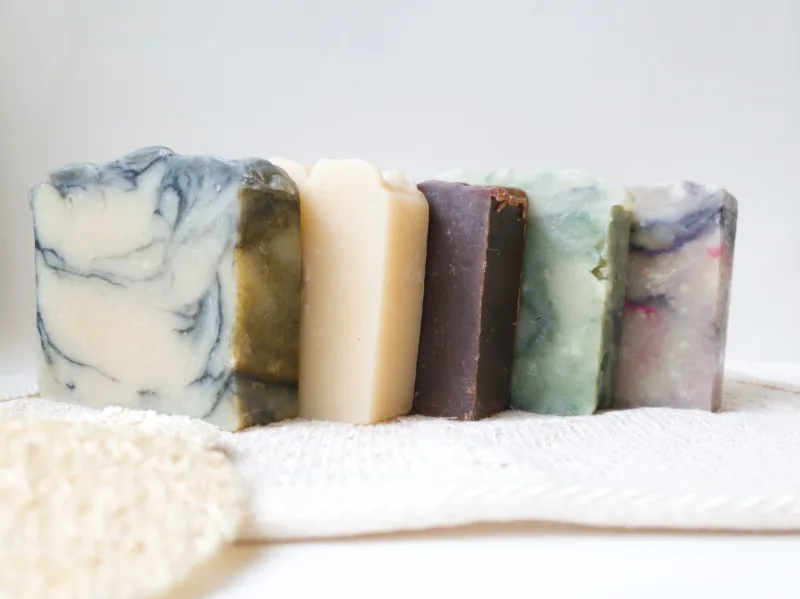
Your best friend swears by a lavender goat milk bar that leaves her skin silky and glowing. You tried the same one and broke out in a rash by day three. Sound familiar? Before you write off handmade soap entirely — or assume your friend is just lucky — it helps to understand what's actually going on beneath the surface. Literally.
Skin is wildly personal. And the more you dig into the science, the more obvious it becomes that no single bar, no matter how lovingly crafted, is going to be the universal answer for everyone.
Your Skin Has Its Own Fingerprint
When we talk about skin type — oily, dry, combination, sensitive — we're really just scratching the surface of what makes your skin yours. Underneath those broad categories lives a whole universe of variables: your skin's natural pH, how much sebum you produce, how intact your moisture barrier is, and even how your genetics influence the way your skin responds to outside stimuli.
Some people naturally run slightly more acidic on the skin surface, which means they're better equipped to handle a wider range of cleansing products. Others sit closer to neutral, and even minor pH disruptions can set off a chain reaction — dryness, irritation, or breakouts. Handmade soap, which is typically more alkaline than the skin's natural pH of around 4.5 to 5.5, can be a non-event for some and a total disruption for others, depending on where that individual baseline sits.
None of this makes handmade soap bad. It just means your skin's starting point matters a lot.
The Microbiome Factor Nobody Talks About Enough
Here's something that doesn't get nearly enough airtime in the natural beauty conversation: your skin microbiome. Your skin is home to trillions of bacteria, fungi, and other microorganisms that work together to keep the surface balanced, protected, and healthy. This invisible ecosystem is as unique to you as your gut microbiome — and it's deeply influenced by your environment, diet, stress levels, and yes, what you're washing with.
When someone switches to a handmade bar and their skin absolutely thrives, it's often because the new soap is supporting that microbial balance rather than destroying it. Conventional soaps loaded with synthetic detergents and preservatives can be indiscriminate — they strip away the bad and the good.
But here's the flip side: if your microbiome is already slightly out of balance, or if you've spent years using a product your skin has adapted to, introducing something new — even something genuinely cleaner — can temporarily throw things off. Your skin's microbial community needs time to recalibrate. What looks like a reaction to handmade soap might actually be a transition period, not a permanent incompatibility.
That said, sometimes it really is the ingredients.
Natural Doesn't Mean Universally Safe
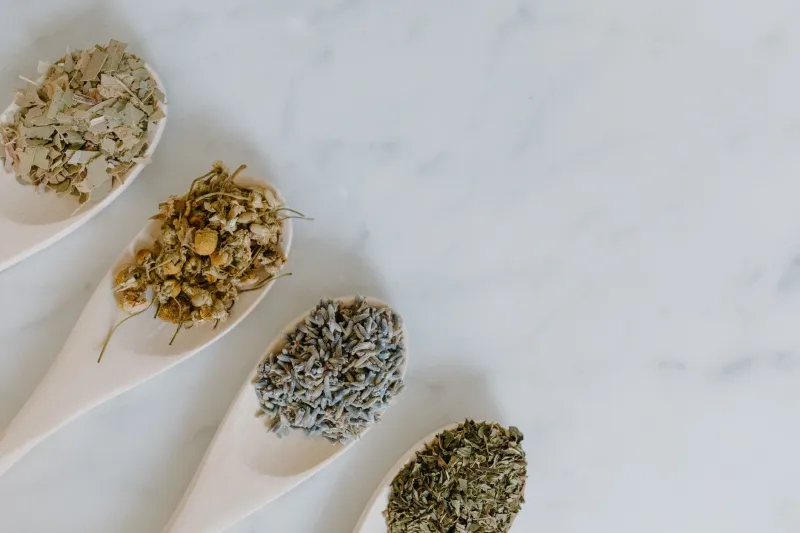
This is the part that surprises a lot of people. The word "natural" carries a lot of marketing weight, but botanically derived ingredients can absolutely trigger reactions in certain individuals. Essential oils are a prime example. Lavender, tea tree, eucalyptus, and citrus oils are beloved in the handmade soap world — and for good reason. They smell incredible and offer real skin benefits. But they're also among the most common sources of contact dermatitis, even in people who don't consider themselves sensitive.
Same goes for plant-based butters and oils. Shea butter is practically synonymous with moisturizing, but people with tree nut sensitivities sometimes react to it. Coconut oil, another soap staple, is fantastic for lather but can be drying or pore-clogging for certain skin types when used in high concentrations.
Fragrances — even those derived from natural sources — are one of the most documented skin irritants in dermatology. If a bar is heavily scented, that's worth paying attention to regardless of whether the scent comes from a lab or a field.
The ingredient list matters. And your personal history with specific botanicals matters even more.
Reading Your Skin's Signals
The tricky thing about skin reactions is that they don't all look the same, and they don't all mean the same thing. A little initial dryness when switching to a new bar is often just adjustment. Redness that fades after a few minutes? Might be the temperature of your water, not the soap itself. But persistent itching, hives, or a spreading rash? That's your skin telling you something specific doesn't agree with it, and you should listen.
Patch testing is genuinely underrated. Before committing to a full bar, try lathering a small amount on the inside of your wrist or elbow and waiting 24 hours. It's a low-stakes way to get information before your whole body is in the equation.
Also worth noting: reactions can be cumulative. Some sensitivities build over time with repeated exposure, which is why a bar you used for months might suddenly start causing problems. Your skin isn't being dramatic — it's just reached a threshold.
Finding Your Match Without the Guesswork
The good news is that understanding your skin's quirks makes the search for the right bar a lot less frustrating. Here's a rough starting point:
- Dry or mature skin tends to do well with bars made with high-oleic oils like olive, avocado, or sweet almond — they're gentler and more moisturizing.
- Oily or acne-prone skin often benefits from lighter bars with a higher lauric acid content (hello, coconut oil) or clarifying additions like activated charcoal or kaolin clay.
- Sensitive or reactive skin usually does best with fragrance-free, minimal-ingredient bars. Fewer variables mean fewer opportunities for something to go sideways.
- Eczema-prone skin frequently responds well to colloidal oatmeal or goat milk formulations, which are soothing and less stripping.
These aren't hard rules — they're starting points. Your skin might defy every category, and that's okay.
The Bigger Picture
Handmade soap isn't a monolith. There's a huge spectrum of formulations, oils, additives, and scent profiles under that umbrella, which is actually great news. It means that even if one bar doesn't work for you, it doesn't mean the whole category is off the table. It means you haven't found your bar yet.
At Alada Soap, we think about this a lot. The whole point of having a diverse range of handcrafted options is recognizing that different skin needs different things. Your skin's chemistry isn't a flaw to work around — it's information. And the right bar, made with the right ingredients, really can feel like it was made just for you.
Because in a way, it was.